
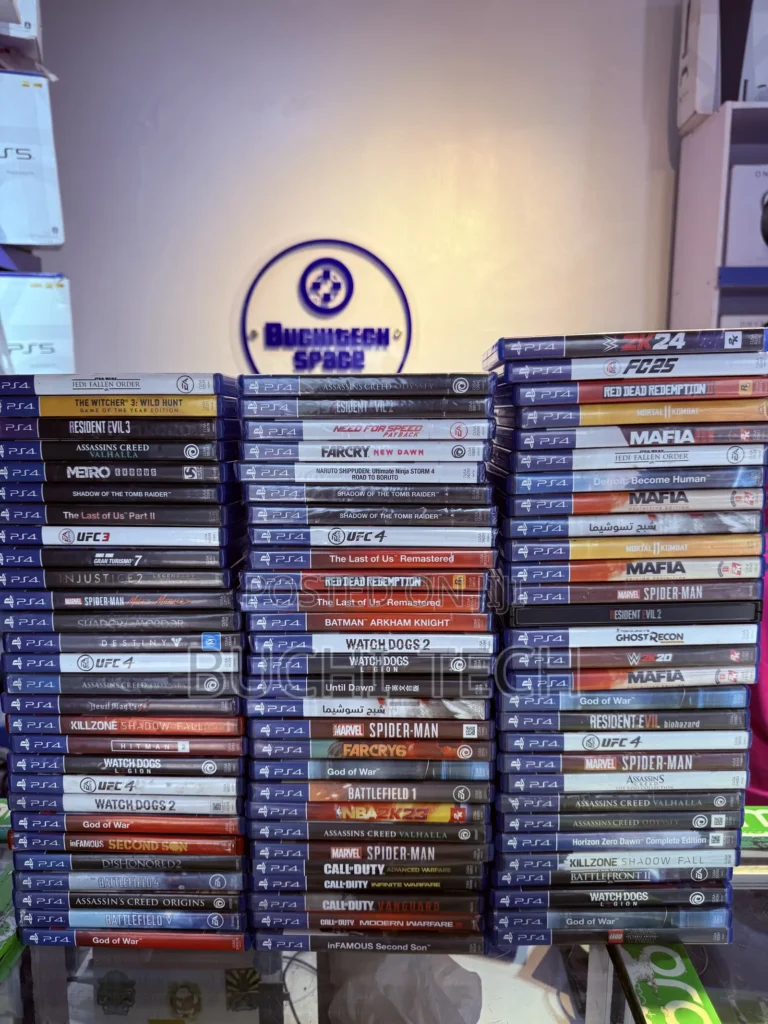

A good game night gives people room to play, talk and enjoy themselves without turning the host’s home into an equipment project. You may need a table, comfortable seating and somewhere to organise games, but you do not need to buy every interesting item before the first gathering. Start with the group and the games you actually want to play. This guide explains how to plan a practical home setup in Kenya, compare useful new and second-hand items and create a simple routine that makes future meetings easier. It also covers choosing a group identity without letting a name or theme dominate the experience.
Choose the kind of gathering first
Ask whether the group wants relaxed conversation with a game alongside it or a session focused on learning something more involved. Decide how many people are likely to attend and how much time is available. A game that needs a long explanation may not suit a short evening with newcomers. Consider the experience people already have and what they are comfortable trying.
Start with a small selection rather than a full collection. You can borrow a game or use something already owned to test the format. Agree on the plan in advance, including whether guests should bring anything. This makes the equipment list more realistic and prevents the host from preparing for several activities that nobody expects to use.
Identify the setup that supports the plan
Check existing furniture and note what is missing. A suitable surface, enough seats and clear light may cover the essentials. Write down measurements and storage needs before browsing. Keep decorative items separate from the things required for people to play comfortably.
Hosts comparing options in Kenya can use Jiji to explore tables, chairs, storage and relevant hobby items. Ask about the actual dimensions and condition, and clarify what is included. A promising listing should be checked against the games and group size you plan to host, rather than treated as a reason to expand the evening’s scope.
Choose a table for the actual game
Lay out the board, cards or other materials on a surface similar to the one you are considering. Leave room for each person’s pieces and any reference sheets. Check that everyone can reach what they need without leaning across other players. A long table may suit one game well but make a shared central area awkward to use.
Measure the room with chairs pulled out. Check walking routes and access to doors, cupboards and refreshments. Inspect a used table for stability, loose joints or damage to the top. If it folds or extends, test the mechanism and supports. A table should function safely during ordinary use, not only fit the photograph in an advert.
Make seating comfortable and flexible
Sit in the chairs at the table before committing to a set. Check legroom and whether arms or supports interfere with the position. People may remain seated for a while, so comfort matters more than perfect visual matching. Different chairs can work well together when they suit the surface and fit the room.
If extra seats are needed only occasionally, consider how they will be stored. Folding furniture should be stable and straightforward to open correctly. Inspect joints and locks before use. A bench can accommodate different arrangements, but people seated in the middle may find it harder to leave. Think about the actual group rather than only a stated seat count.
Check second-hand games for completeness
Ask for the exact edition and an inventory of contents. Similar boxes may contain different components or rules. Check whether essential pieces, cards and instructions are included, and inspect condition where practical. A missing decorative item may be manageable; a missing component central to play is a different question. Understand the difference before deciding that the game is ready to use.
Look at the condition of cards, boards and storage inserts. Ask about water damage or repairs. If the instructions are absent, confirm that a legitimate replacement is available for the exact edition. Do not assume that a general rule summary covers every detail. The group should be able to learn and play without reconstructing the product after purchase.
Create storage that keeps sessions easy
Give games and accessories a consistent place. Check the size of boxes before buying shelves, and avoid forcing components into containers that make setup difficult. Smaller labelled boxes can help with loose items if they preserve the organisation needed for the game. Keep instructions with the corresponding set.
Agree who checks pieces at the end of a session. A simple habit of returning items to the correct box can prevent later confusion. If games are borrowed, note ownership and a return plan. Shared enthusiasm does not make borrowed items communal property. Clear storage also helps you see what you already have before buying another similar game.
Keep lighting and sound practical
Check that players can read cards and distinguish details from their seats. A dim room may feel atmospheric but make play frustrating. Test the arrangement in the evening if that is when you gather. If you add a lamp, inspect its cable and support, follow the maker’s instructions and keep it clear of walking routes and the playing area.
Background music should leave room for conversation and explanations. Ask the group whether it helps or distracts, and be willing to change the volume or turn it off. A theme can support the evening without becoming a constant performance. The useful test is whether people can follow the game and speak comfortably.
Organise refreshments around the equipment
Give drinks and food a practical place that does not crowd cards or boards. A side surface may be useful if the room allows it. Choose serving items that are stable and easy to handle, and plan how spills will be dealt with. Avoid adding furniture that blocks the path merely to create another display area.
Ask about guests’ ingredient needs before choosing refreshments. Keep preparation manageable so hosting does not take you away from the group for most of the evening. Let guests know what is provided and whether they should bring anything. Ordinary clarity prevents small misunderstandings and keeps attention on the shared activity.
Choose a name and theme the group likes
A recurring game night can have a name that makes invitations and group messages easier to recognise. Keep it easy to spell and comfortable for everyone to use. An inside joke works only when the people involved enjoy it. Check before turning a personal nickname into the group’s label or printing it on anything.
You can repeat a colour or simple visual detail in invitations without buying themed merchandise immediately. Start with the name and a useful way of sharing plans. If the group continues meeting, decide together whether other items would add value. Identity should make participation feel welcoming, rather than create another requirement for joining.
Make the first session easy to join
Send the basic plan: when to arrive, how long the evening is expected to run and which games are available. Check whether newcomers need an explanation or a shorter introductory round. Leave room for breaks and ordinary conversation. A schedule can help the host prepare, but it should not force every guest through the same experience regardless of comfort.
Keep a simpler alternative ready if the planned game does not suit the people who arrive. You may have fewer players than expected or discover that a long explanation is not what the group wants that evening. Changing the activity can keep the gathering enjoyable without requiring more equipment.
Ask permission before sharing photographs or identifying guests online. People may enjoy the gathering without wanting it published. If someone needs to leave early, make that straightforward. A welcoming group is easier to sustain when members can participate within their own availability.
Buy additions after the group has used the setup
After several sessions, ask what made play easier and what caused difficulty. Perhaps seating needs improvement, storage is awkward or the group prefers a different kind of game. Buy the next item to solve that repeated need. Do not confuse an appealing offer with a requirement simply because it matches the theme.
For each purchase, confirm condition, contents and collection or delivery in writing. Inspect where practical and use a payment method that creates a record. Keep the setup manageable to clear and restore for everyday home life. A successful gathering should remain enjoyable for the host as well as the guests.
The bottom line
Set up a home game night by choosing a format, checking the real playing space and keeping equipment organised. Inspect used furniture and games, and add items only when the group needs them. A shared name and simple routine can give the gathering character while leaving the focus on comfortable, enjoyable participation.
